



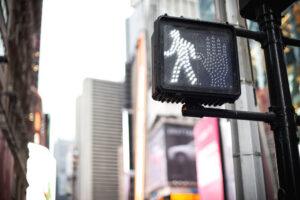
As a pedestrian in New York, you have the legal right to move safely through streets, crosswalks, and sidewalks, while drivers are expected to act with care. When something goes wrong, those rights can also support a claim for financial recovery.
That said, many people only start thinking about these rights after an accident has already happened. Questions about who was at fault, what evidence matters, and how insurance companies respond tend to come up quickly, and the answers are not always obvious at first.
Speaking with a Long Island pedestrian accident lawyer can help clarify what your situation allows.
Understanding Your Foundational Pedestrian Rights in New York
Walking through New York, whether in a busy city or a quieter area, comes with legal protections. Pedestrians are not treated as secondary to vehicles. The law expects drivers to remain alert, adjust to pedestrian traffic, and avoid harm whenever possible.
At the same time, pedestrians are part of the traffic system. Signals, crossings, and general awareness still matter. Rights exist, but they are tied to how a person moves through intersections, sidewalks, and shared spaces.
The Pedestrian’s “Right-of-Way” Defined
The idea of “right-of-way” often comes up after a pedestrian accident. In many situations, pedestrians have priority, especially in marked or unmarked crosswalks at intersections. Drivers are expected to slow down or stop when someone is crossing the road.
This also applies when a walk signal is active. When pedestrian signals indicate it is safe to cross, vehicles should yield. That expectation is strong in areas with heavy foot traffic, like New York City.
In these situations, it is common to ask whether you can sue the driver who hit you while walking in New York, and the answer often depends on how right-of-way and driver conduct are evaluated.
Case Today (212) 977-2020
Common Causes of Pedestrian Accidents and Driver Negligence in New York
Pedestrian accidents rarely happen for a single reason. Often, they involve a mix of driver behavior, road conditions, and timing. Looking at patterns can help make sense of what went wrong.
Certain actions show up repeatedly in pedestrian accident cases:
- Distracted driving, including phone use or in-car distractions
- Failing to yield at crosswalks or intersections
- Speeding through areas with heavy pedestrian traffic
- Running red lights or ignoring stop signs
In recent years, aggressive driving has become an issue. Some drivers do not slow down as they should at intersections, which can cause pedestrian accidents.
NYC-Specific Hazards and Accident Scenarios
In places like Manhattan, Brooklyn, or Queens, the environment itself adds pressure. Crowded sidewalks, busy intersections, and constant vehicle movement create more chances for mistakes.
Construction zones, bike lanes, and parking lots introduce additional layers of risk. A driver exiting a driveway may not see someone walking past. A cyclist and a pedestrian may cross paths unexpectedly.
Understanding Your Rights to Compensation and Damages After a Pedestrian Accident
After an accident, many people focus first on injuries and medical care. That makes sense. But there is also a financial side that can become overwhelming if it is ignored.
New York allows injured pedestrians to pursue compensation under certain conditions. The process can feel unclear at first, especially when insurance companies get involved.
Types of Damages You Can Recover
Compensation can include several categories, such as:
- Medical bills, including ongoing treatment
- Lost wages or reduced ability to work
- Pain and suffering
- Rehabilitation or therapy costs
Severe injuries, such as traumatic brain injuries, spinal cord injuries, or broken bones, often lead to higher claims. Internal injuries can also be significant, even if they are not immediately visible.
New York’s Comparative Negligence Rule
New York follows a comparative negligence rule. This allows injured pedestrians to recover damages even if they share some responsibility. If a pedestrian is found partially at fault, the total compensation is reduced by that percentage.
For example, a 30% share of fault would reduce the recovery by 30%.
Critical Legal Considerations and “What if” Scenarios
Some situations raise additional questions. These are the moments where people tend to feel uncertain about what happens next.
Statute of Limitations for Pedestrian Accident in New York
In New York, injured pedestrians generally have three years from the date of the accident to file a personal injury lawsuit. That window can shape how a case is built, because evidence, witness statements, and medical records are easier to gather when action is taken earlier.
There are exceptions. If a government entity is involved, such as a city agency responsible for a roadway or sidewalk, a significantly shorter notice period may apply before a lawsuit can even begin. Missing that step can limit your ability to move forward.
The Role of a New York Pedestrian Accident Attorney
At Chaikin Trial Group Personal Injury Lawyers, we build pedestrian accident claims with a clear focus on what happened and how it has affected your life. We organize evidence, review reports and medical records, and push back when insurance companies try to reduce your claim.
Our results reflect that approach. Careful preparation and early action help position cases properly and support stronger outcomes. If you have been injured as a pedestrian, this is the moment to act. Get in touch with Chaikin Trial Group Injury Lawyers to discuss your case and your next steps.