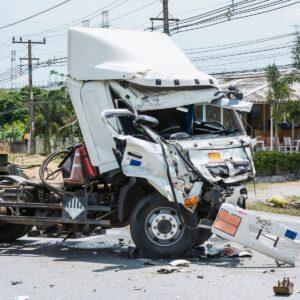




A motor vehicle collision is any crash where a vehicle hits something else, whether that is another vehicle, a person, an animal, or a fixed object like a guardrail, pole, or tree. These crashes often lead to injuries, property damage, and in the most serious cases, death.
You may hear a few different names for the same event. Some people call it a car crash; others say traffic collision, auto accident, or vehicular accident. They all point to the same thing: a moving vehicle making contact with something it was not supposed to hit. The details of how it happened, and who was at fault, are what influence any injury claim that follows.
If you or someone you love was hurt in a crash on Long Island, understanding these basics can help you feel more in control. A Long Island car accident lawyer from Chaikin Trial Group Personal Injury Lawyers can walk you through your options and explain what your case may be worth. Learn more about what motor vehicle collisions mean and the steps to take if one happens to you.
Motor Vehicle Collision Meaning
At its core, a motor vehicle collision comes down to force and consequence. A moving vehicle hits something with enough impact to cause harm, and that harm can range from a cracked bumper to a life-altering injury.
According to a transportation safety report published by the CDC, more than 44,000 people died in motor vehicle crashes across the U.S. in 2023, and crash injuries led to over 2.8 million emergency room visits, numbers that make clear why the moments before and after a crash matter so much.
Not every crash unfolds the same way. The type of collision often points to who was likely at fault, what evidence should exist, and how an insurance company plans to argue the case, which is exactly why Chaikin Trial Group Personal Injury Lawyers digs into these details early rather than waiting until deadlines force the issue.
Case Today (212) 977-2020
Common Types of Motor Vehicle Collisions
Most motor vehicle crashes fall into a few recognizable patterns:
- Rear-end crashes, where fault often, though not always, falls on the trailing driver who failed to stop in time
- Head-on crashes, among the most severe because the combined speed of both vehicles multiplies the force of impact
- T-bone or side-impact crashes, common at intersections and often tied to a driver running a light or stop sign
- Sideswipes, where two vehicles traveling in the same direction make contact, usually during a lane change or merge
- Single-vehicle crashes, where a driver hits a fixed object, an animal, or leaves the roadway entirely
- Multi-vehicle pileups, where three or more cars are involved, often on highways during poor visibility or heavy traffic
A vehicular accident involving a pedestrian or cyclist follows its own set of rules, since the person outside the vehicle is almost always the more vulnerable party in the eyes of the law. Knowing which category your crash falls into is often the first clue to figuring out who should be held responsible.
What Usually Causes Motor Vehicle Collisions
Behind almost every collision is a choice someone made behind the wheel:
- Distracted driving, like texting, eating, or adjusting a GPS while moving
- Speeding, or simply driving too fast for the road or weather conditions
- Drunk or drugged driving, which slows reaction time and judgment
- Running a red light or stop sign at an intersection
- Driver fatigue, especially on long highway stretches or overnight shifts
In some situations, a defective vehicle part, like a brake or tire that failed without warning, can cause a crash. When a part failure or design flaw contributes to a car crash, the vehicle or parts manufacturer can share the blame alongside the driver, and proving that usually takes a Long Island personal injury lawyer who knows how to dig into the mechanics of what went wrong.
What to Do After a Car Accident
What you do in the hours and days after a crash can affect both your health and your ability to recover damages later.
- Call 911 and get checked out. If you’re wondering if you should see a doctor after a car accident even if you feel fine, the answer is yes. Adrenaline can mask injuries like concussions or soft tissue damage that show up hours or days later.
- Move to safety if you’re able to do so: If the vehicles are drivable and staying in traffic is dangerous, pull over before doing anything else.
- Get an official police report: You should always call the police after a car accident in New York, as it creates a neutral record of what happened. This is invaluable once insurance companies start telling their own version of events.
- Collect names, insurance details, and photos of the vehicles, the road, and any visible injuries. This kind of evidence can fade or disappear fast.
- Follow through with medical care: Gaps in treatment give insurers an excuse to argue your injuries weren’t serious or weren’t caused by the crash.
- Be cautious with insurance adjusters: You aren’t required to give a recorded statement right away, and it’s fine to wait until you’ve spoken with someone who represents your interests, not theirs.
Building a Strong Case After a Traffic Collision
Insurance companies handle crash claims every day, and that experience usually works against the person who got hurt. Adjusters are trained to settle fast and for as little as possible, often before you know the full extent of your injuries or how much time off work you’ll actually need.
New York also has its own rules, like time limits on filing a claim and how shared fault can reduce a payout, that can work against you if you don’t know they exist going in. Evidence like traffic camera footage or a vehicle’s black box data can be overwritten or lost within weeks, which is part of why moving quickly matters as much as moving carefully.
At Chaikin Trial Group Personal Injury Lawyers, every case is prepared as though it’s headed to trial, not just toward a quick settlement. Our clients get their attorney’s direct cell number instead of a call center, and if getting to our Melville office isn’t possible, someone from our team will come to you.
Since many of the people we work with feel more comfortable speaking Spanish, our entire team is bilingual, so nothing gets lost between you and the person handling your case. And because we work on contingency, there’s no bill for our help unless we win yours.
Talk to Chaikin Trial Group Personal Injury Lawyers Today
Understanding fully what a motor vehicle collision is, and what type you were involved in, is the first step toward knowing where you stand. The next step is having someone in your corner who can turn those details into a strong claim.
Chaikin Trial Group Personal Injury Lawyers offers free, confidential consultations, and we’ll even send a car to bring you to us if getting here isn’t easy. Come in as a client, and you’ll leave as a friend, with a legal team that treats your case with the urgency it deserves. Reach out today to talk through what happened and find out what your next move should be.